Shipping container homes have moved well beyond the novelty stage. A steel container can become the shell for a compact retreat, a full-time home, a guest house or one part of a larger modular layout. The interesting question is no longer whether someone can build with containers. It is what kind of space the site, budget and local rules will realistically support.
The best container-home projects start with a clear use for the space, a suitable container and a qualified design team. A dramatic rendering may provide inspiration, but a successful build also depends on engineering, insulation, utilities, moisture control and careful site preparation.
What Can a Shipping Container Home Become?
Container construction can accommodate more layouts than the familiar single-box tiny home. Common possibilities include:
- Compact one-bedroom homes: A single 40-foot container can provide a focused layout for one person, a couple or a small weekend property.
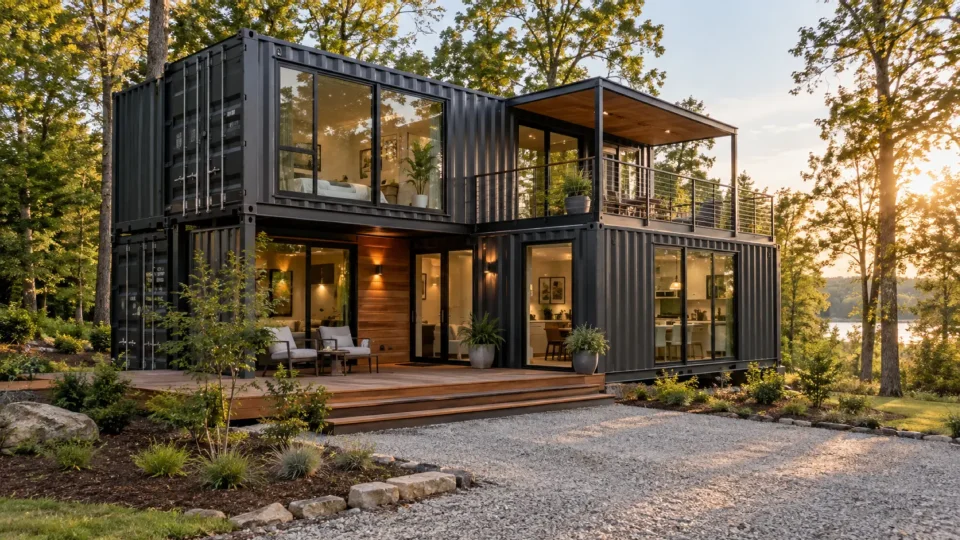
- Multi-container family homes: Two or more containers can be placed side by side, offset or stacked to create separate bedrooms and larger shared living areas.
- Guest houses and backyard suites: A smaller detached space can give visitors privacy without changing the main house.
- Cabins and recreational retreats: Containers can serve as the durable starting point for hunting properties, lake lots and rural getaways.
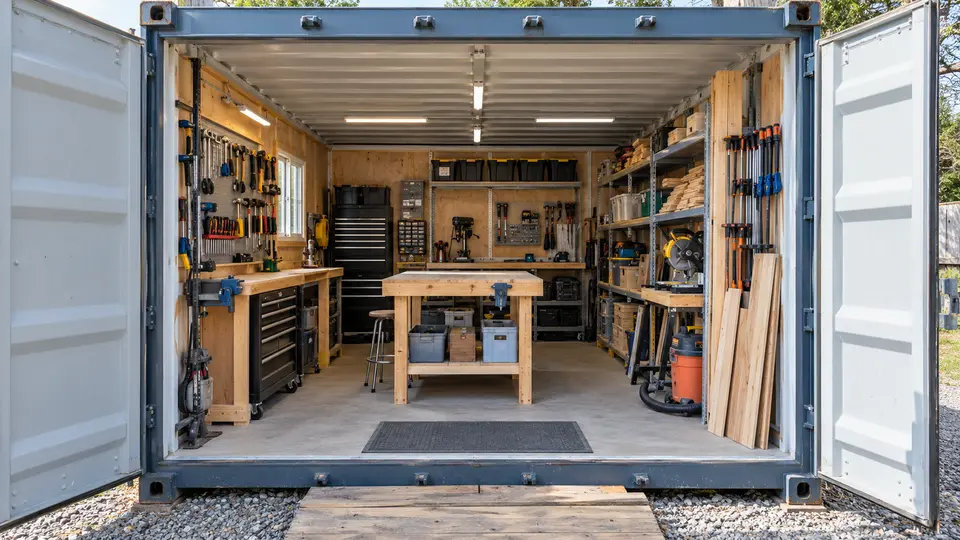
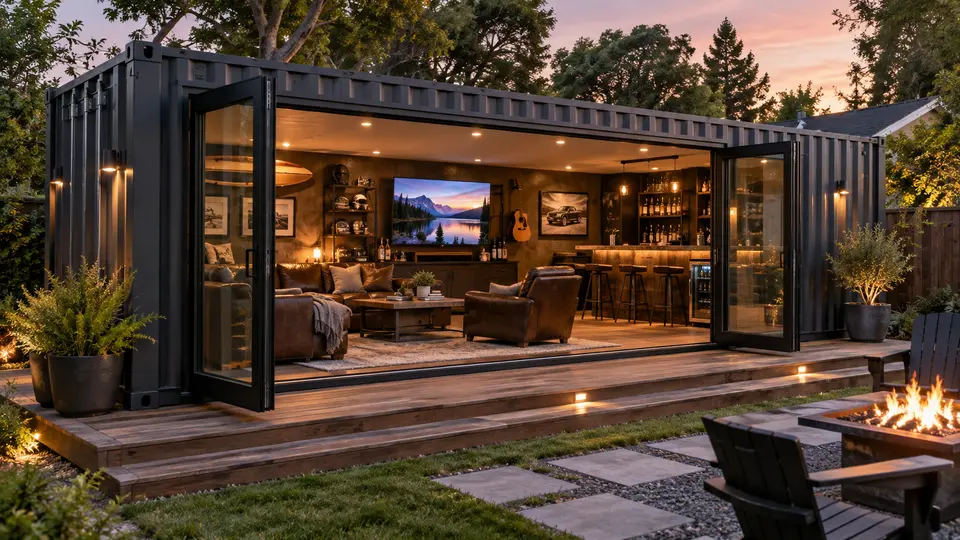
- Special-purpose rooms: A container can become a home office, gym, workshop, studio or man cave without serving as an entire residence.
How Container Size Shapes the Design
Most residential concepts begin with 20-foot or 40-foot containers. A 20-foot unit works well when the goal is one defined room or a very compact living arrangement. A 40-foot container creates more flexibility for a bedroom, bathroom, kitchenette and living area. High-cube containers are often attractive for conversion projects because the additional interior height can help accommodate insulation, mechanical systems and finished ceilings.
More space does not always require one enormous footprint. Designers can join containers to create a wider central room, separate private and public areas, frame a courtyard or add a second story. Conex Xpress’s existing look at a four-bedroom, four-bath container-home concept shows how multiple modules can support a much more ambitious floor plan.
The Container Is the Starting Point
A shipping container supplies a strong, transportable steel shell, but it is not a finished home when it arrives. Residential conversion generally requires professionally designed openings, reinforcement, insulation, ventilation, electrical and plumbing systems, interior finishes and weatherproofing around every modification.
Local zoning, permits and building codes also matter. Requirements can vary by jurisdiction and by whether the structure will be permanent, temporary or used as an accessory dwelling. Before buying a container, speak with the local building department and qualified architects, engineers and contractors who understand container construction.
Choosing a Container Condition
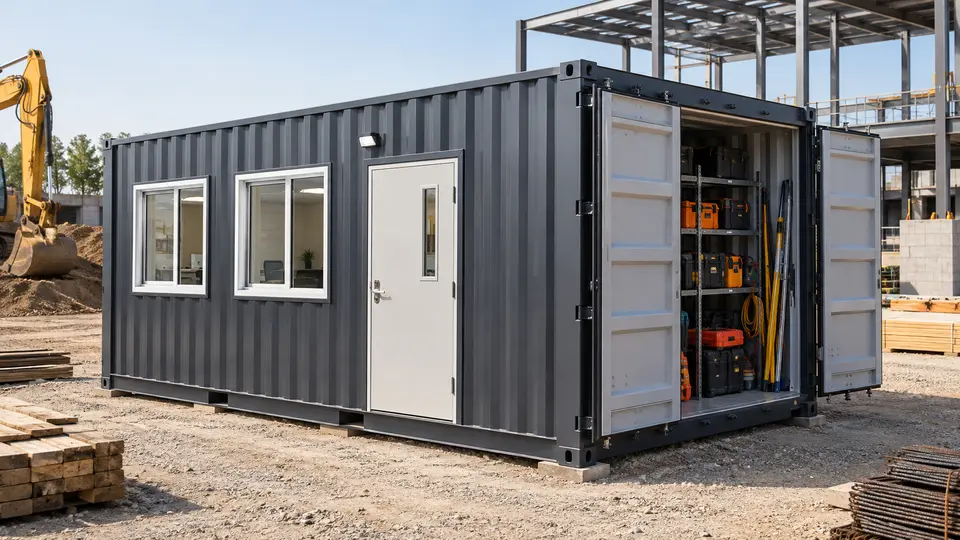
The right grade depends on the design and how much cosmetic work is planned. A One Trip container offers a newer appearance with minimal wear, which can be helpful when portions of the original exterior will remain visible. A Cargo Worthy container is structurally sound and may offer a practical middle ground when the project includes exterior refinishing. Wind and Water Tight containers are generally better suited to utilitarian storage applications where appearance is less important.
Review the complete container condition guide before deciding. The lowest purchase price is not automatically the lowest total project cost if extensive repair or surface preparation is needed later.
Plan the Site Before Delivery
A container needs a stable, level foundation with appropriate drainage. The delivery truck also needs sufficient access, overhead clearance and room to position the unit safely. If a design uses multiple containers, placement tolerances become even more important because the modules must align with the foundation and with one another.
Conex Xpress includes professional delivery and placement in its quoting process, so sharing accurate information about the site early helps prevent surprises. Photos, measurements, access details and the planned orientation of the container are all useful when discussing delivery.
Start With the Use, Not Just the Look
A good container home is not simply a striking exterior. It is a layout that works every day. Begin by deciding how many people will use the space, which rooms must feel private, how much storage is needed and whether outdoor living areas will extend the usable footprint. For a smaller concept, see these four-bedroom shipping container home idea with a courtyard.
When you are ready to source the steel shell for a container project, request a quote from Conex Xpress. Tell the team your intended use, preferred size, delivery location and timeframe so they can help you identify an appropriate container condition. Final residential plans, modifications and code compliance should always be handled by qualified professionals in your area.