
UNDERSTANDING CONTAINER GRADES
Container Condition Guide:
One Trip, CW & WWT
Not All Containers Are Created Equal
Steel shipping containers are graded by age, structural integrity and cosmetic condition. At Conex Xpress, we use three standard industry grades - One Trip, Cargo Worthy (CW), and Wind & Water Tight (WWT) - so you only pay for what your project actually requires. Here's what each grade means and when it makes sense for your needs.
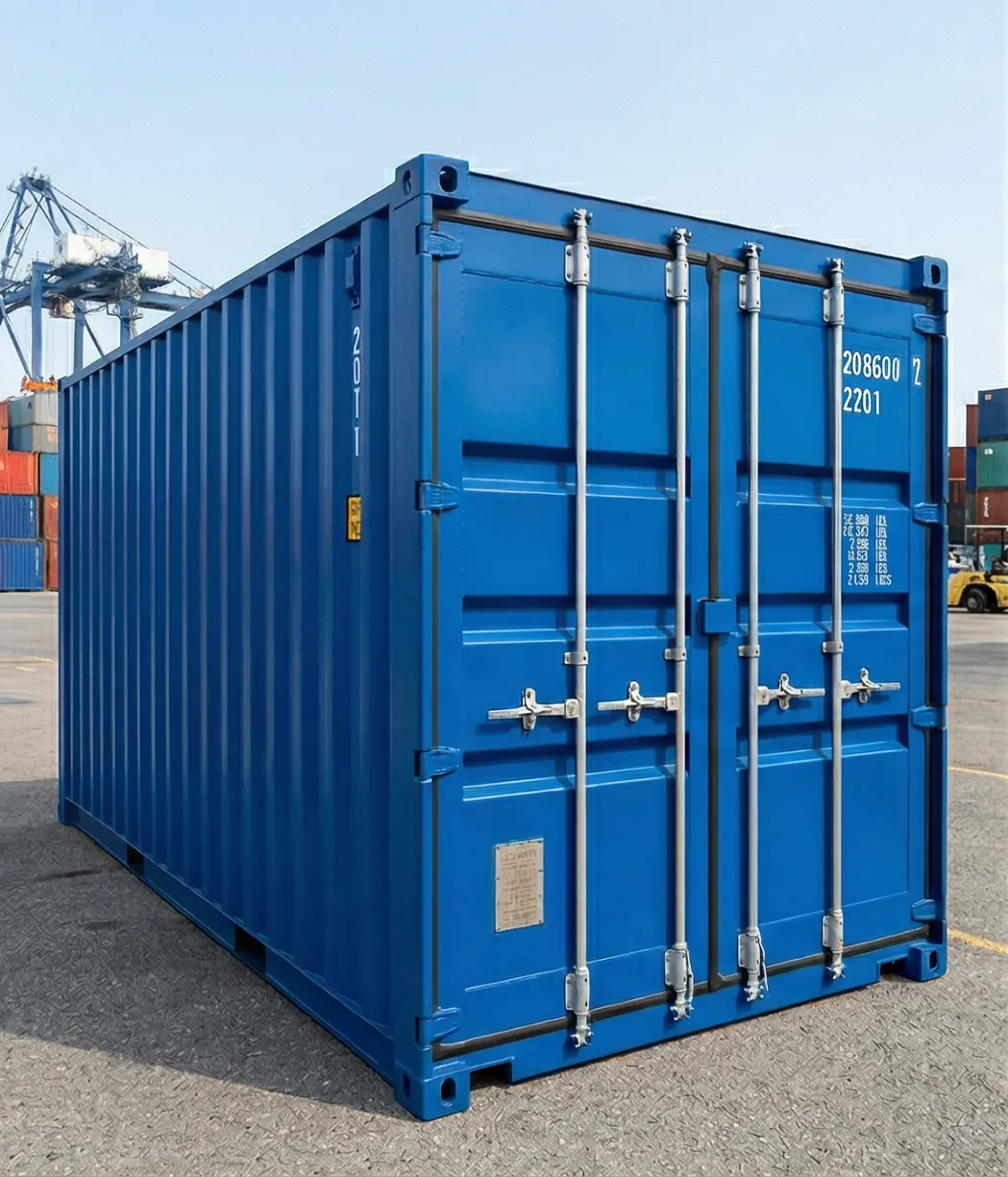
ONE TRIP CONTAINERS
Like New. Best Appearance. Premium Condition.
One Trip containers are typically 1–2 years old and arrive in excellent condition inside and out. While the term originally referred to containers that had made only one overseas voyage, it's now widely used to describe any container within a year or two of manufacture. These units show minimal wear - very few dings or dents, little to no surface rust, and clean interiors that look nearly new.
One Trip containers cost roughly double what Wind & Water Tight containers do, but they're the right choice when appearance and condition matter. If you're converting a container into a retail space, mobile office, or any application where the container will be visible to customers or clients, One Trip is worth the investment.
Key Features
1–2 years old, minimal use
Excellent cosmetic condition inside and out
Very few dings, dents, or surface rust
Clean interiors suitable for customer-facing or converted spaces
Best choice when appearance is a priority
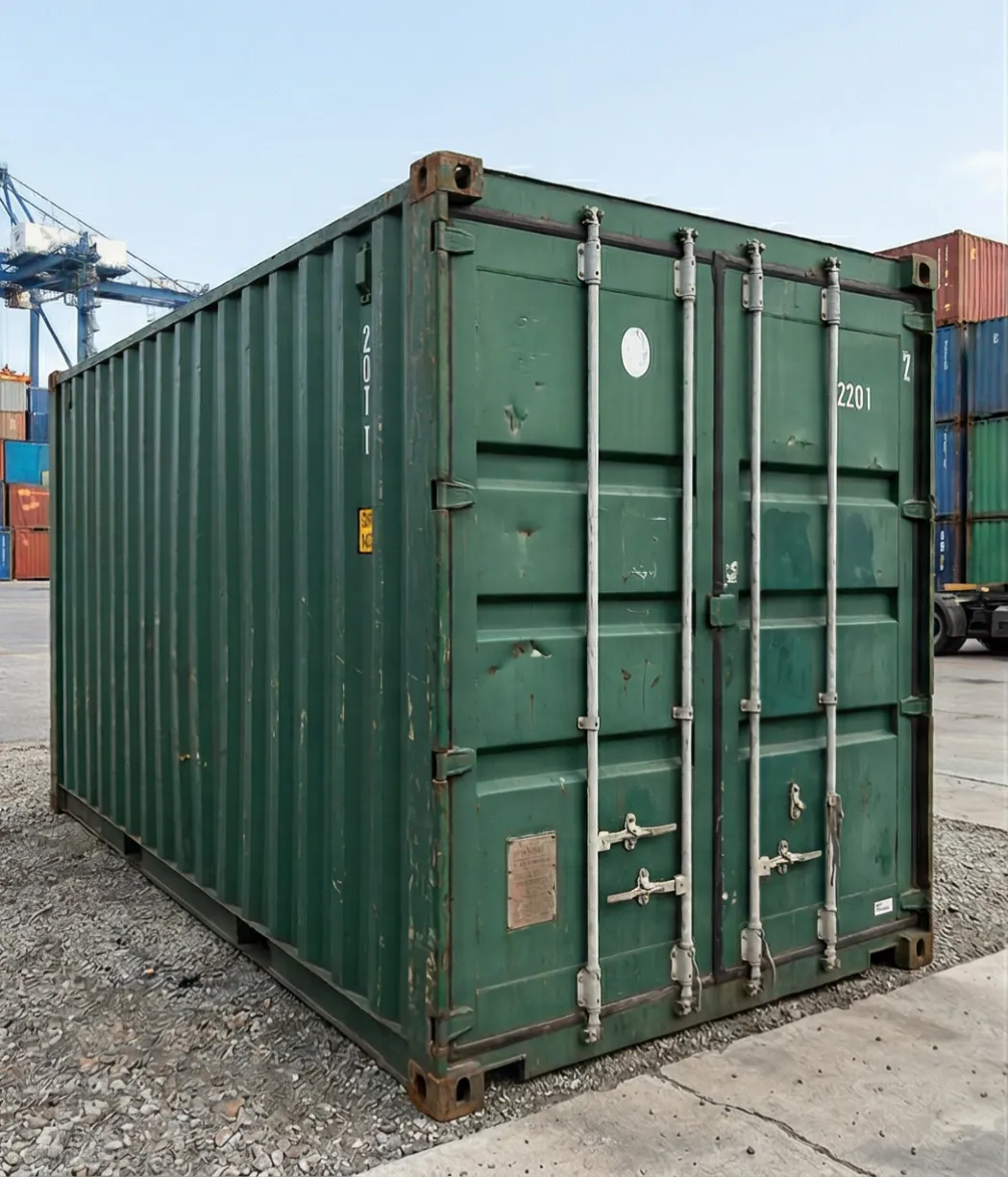
CARGO WORTHY (CW) CONTAINERS
CSC-Certified. Solid Structure. The Smart Middle Ground.
Cargo Worthy containers are used shipping containers that still meet the standards required for CSC certification - meaning they're approved for overseas shipment on container ships. CW containers are structurally sound, guaranteed wind and water tight, and in better cosmetic shape than WWT units.
Because these containers are made from steel and have been exposed to the elements, you'll see some surface rust, minor dings, and dents. They may need a bit of cosmetic attention if appearance matters, but they're one step up from Wind & Water Tight in both condition and reliability. For most commercial and industrial applications, Cargo Worthy containers hit the sweet spot between quality and cost.
Key Features
CSC-certified for overseas shipment
Guaranteed wind and water tight
Minor cosmetic wear — surface rust, dings, dents
Structurally sound and reliable
Best value for most commercial and contractor applications
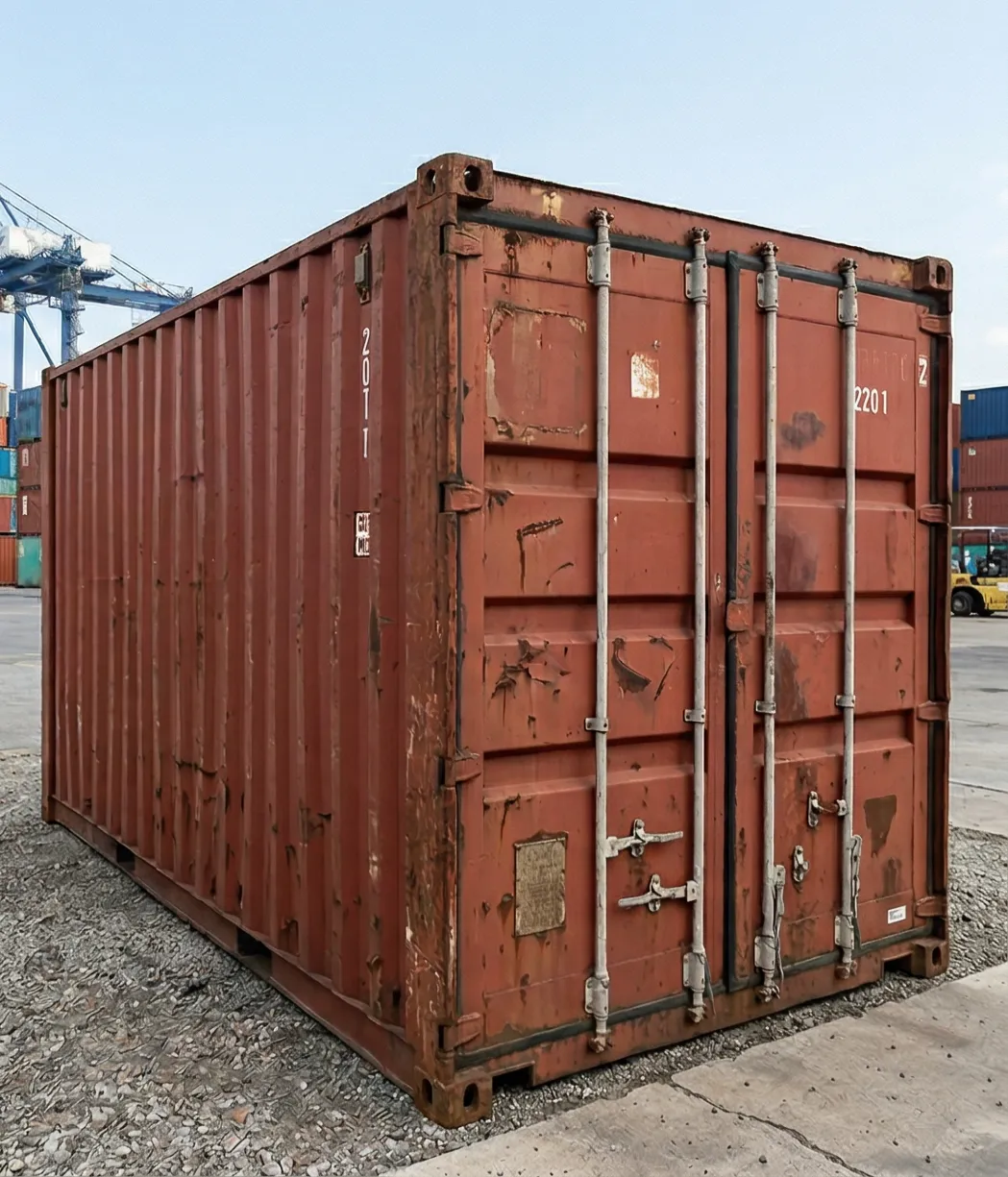
WIND & WATER TIGHT (WWT) CONTAINERS
Functional. Affordable. Gets the Job Done.
Wind & Water Tight containers are exactly what the name suggests - they don't leak, and the doors work properly. These are used containers that have seen more years of service and show cosmetic wear accordingly. Expect visible surface rust, dents, weathering, and other signs of use.
WWT containers are fully capable of protecting your equipment, materials, or inventory from the elements, but they're not the grade to choose if appearance is a concern. They're ideal for job site storage, overflow inventory, farm and agricultural use, or any application where function matters more than looks. If your priority is affordable, secure storage that works, WWT delivers.
Key Features
Guaranteed not to leak with fully functional doors
Visible cosmetic wear - rust, dents, weathering
Structurally sound for secure storage
Most affordable option
Best choice for job sites, farms, and utilitarian storage needs
Have Shipping Container Questions?
We have answers.
Which container grade should I choose for my project?
It depends on how the container will be used and whether appearance matters. One Trip is best for visible or customer-facing applications. Cargo Worthy works well for most commercial and contractor projects. Wind & Water Tight is ideal for job site storage or utilitarian use where function is the priority.
Will Cargo Worthy and WWT containers have rust?
Yes. Because containers are made from steel and exposed to weather during use, all CW and WWT containers will show some surface rust. One Trip containers have minimal rust due to their age, but even they may show minor surface oxidation.
Are WWT containers structurally sound even with cosmetic wear?
Absolutely. Wind & Water Tight containers are guaranteed not to leak and have fully functional doors. The cosmetic wear — rust, dents, weathering — doesn't affect their ability to secure and protect your contents from the elements.
What does CSC certification mean for Cargo Worthy containers?
CSC certification means the container meets international safety standards for shipping cargo overseas. It confirms the container is structurally sound, safe for stacking, and approved for transport on container ships. For buyers, it's a reliable indicator of structural integrity.
How much more does a One Trip container cost compared to WWT?
One Trip containers typically cost about double what Wind & Water Tight containers do. The premium reflects their age, condition, and appearance — but whether it's worth it depends entirely on how you plan to use the container.
Do you offer containers in other condition grades?
These three grades — One Trip, Cargo Worthy, and Wind & Water Tight — cover the full range of quality and price points most buyers need. If you have specific condition requirements, contact us and we'll discuss what's available.
Will the container I receive match the grade description?
Yes. We stand behind our grading standards. If we describe a container as One Trip, it will arrive in like-new condition. If we note it as WWT with cosmetic wear, we'll tell you exactly what to expect. You can also inspect it in person at one of our showrooms before purchasing.
Get Your Free Quote Today.
The right container for your project is available now - don't lose time or budget dealing with companies that don't deliver on their promises.